
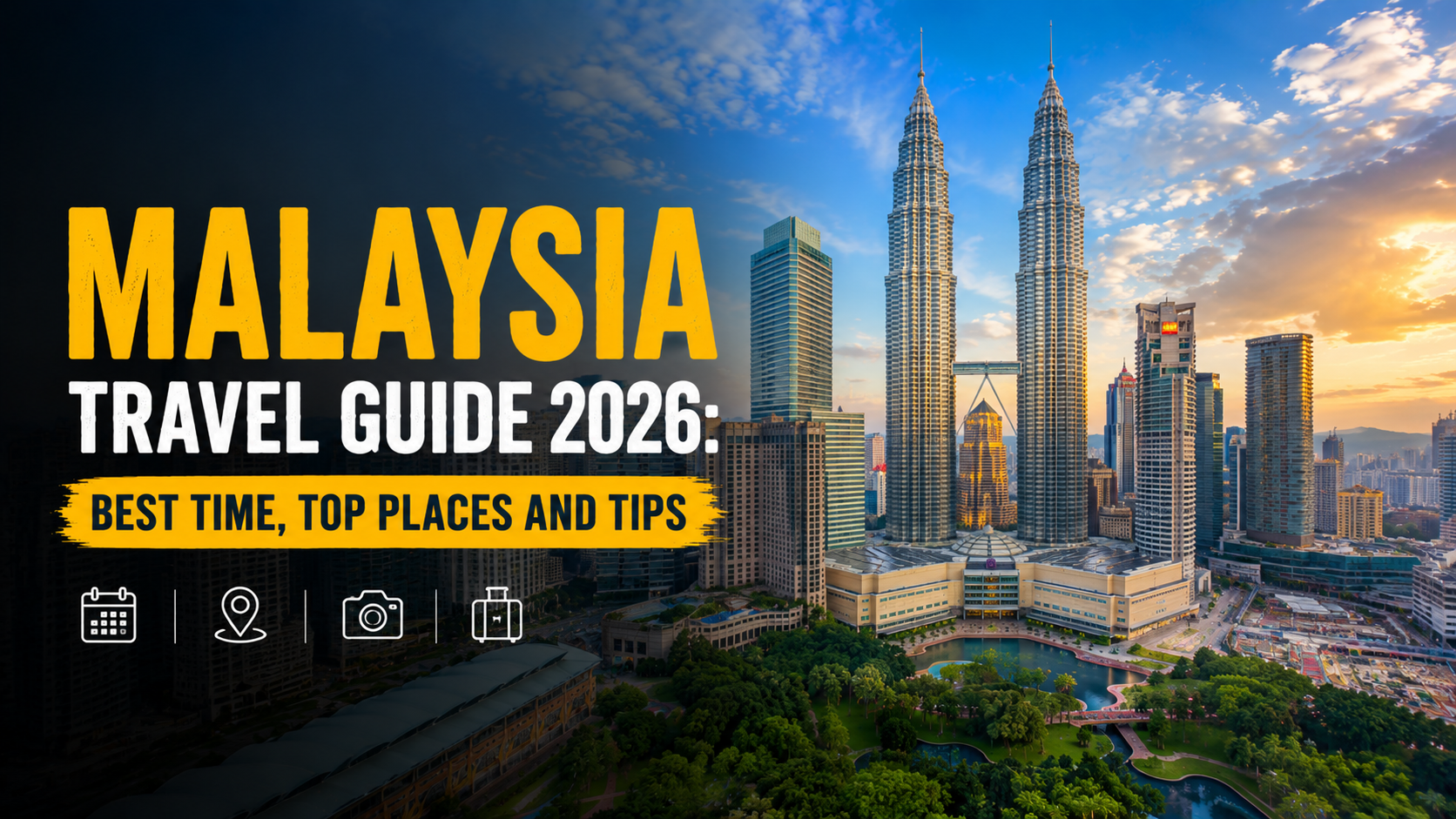
When we plan an international trip, we usually connect a destination with a certain experience. Some countries are known for beaches, some for culture and others for adventure. The few places where you can have all the above at the same time is Malaysia. It doesn't make you choose between a city break and a beach break. It gives you everything. Then it leaves it up to you how much of it you want. That is why we thought of giving you a Malaysia travel guide that will help you experience the different shades of Malaysia at one place.
For the Indian traveller especially, Malaysia offers a certain ease. No visa required for up to 30 days (from 2026), direct flights from most major Indian cities, wide food options, and the country is familiar enough to feel comfortable. That works in your favor, too. A well-planned Malaysia trip from India can be well planned without emptying your pocket, when compared to other South East Asian destinations.
This guide has everything you need to know to plan a trip to Malaysia the right way. When is the best time to visit, where to go in the country, what to eat, how to get around and how to make the most of each day while you’re there.
Why Malaysia Works So Well for Indian Travelers
Before getting into the logistics, it helps to understand why Malaysia has become one of the most popular international destinations for Indians.
The cultural overlap is significant. Malaysia has a large Indian-origin population, concentrated mainly in areas like Brickfields in Kuala Lumpur (commonly called Little India). You will find South Indian restaurants, Hindu temples, familiar spices, and the general comfort of a place that does not feel alien. Batu Caves, one of Malaysia’s most visited landmarks, is a Hindu pilgrimage site that draws over a million devotees during Thaipusam every year.
Beyond the cultural familiarity, the country is genuinely easy to navigate. English is widely spoken and understood, the transport infrastructure is solid, and the overall safety record for tourists is good. For families traveling with older members or young children, this matters considerably.
The price point is another factor. Malaysia’s Ringgit has historically remained favorable against the Indian Rupee, making accommodation, food, and activities reasonably priced. And with Langkawi’s duty-free status, you can actually shop for quality goods at prices lower than what you would find back home.
Best Time to Visit Malaysia
Malaysia is located close to the equator, which means it is warm and humid throughout the year. But “tropical country” does not mean every month is the same. The monsoon patterns differ between the west and east coasts, and timing your visit correctly makes a real difference.
November to March
It is the best window for visiting the west coast, which includes Kuala Lumpur, Langkawi, and Penang. This period falls in the dry season for these destinations. The skies are clearer, the beaches in Langkawi are at their best, and rain, while still possible, does not disrupt plans the way it does during monsoon months. For Indians, this window also coincides with school holidays and the winter travel season, which makes planning easier.
April to August
This is the window when the east coast islands, particularly the Perhentian Islands, Tioman Island, and Redang Island, open up. The South China Sea calms down during these months, making the water clear for snorkeling and diving. This is the time to visit Borneo as well.
September and October
These two months are shoulder months on the west coast. There will be more rain, but the crowds are thinner and the prices drop noticeably. If flexibility is available, these months can be a good value choice.
The one period to be careful about is the northeast monsoon season, which runs from November to February on the east coast. During this time, many resorts on islands like the Perhentians shut entirely, and sea conditions make water activities impossible.
For most Indian tourists planning a standard Malaysia trip covering Kuala Lumpur and Langkawi, the window between December and March is the most reliable choice.
Top Destinations in Malaysia

Kuala Lumpur
This is the place where almost every Malaysia trip starts. The city is a dense, layered mix of colonial architecture, Islamic monuments, glass towers, and street food lanes. Here are the places that are usually included in a Kuala Lumpur City Tour:
The Petronas Twin Towers
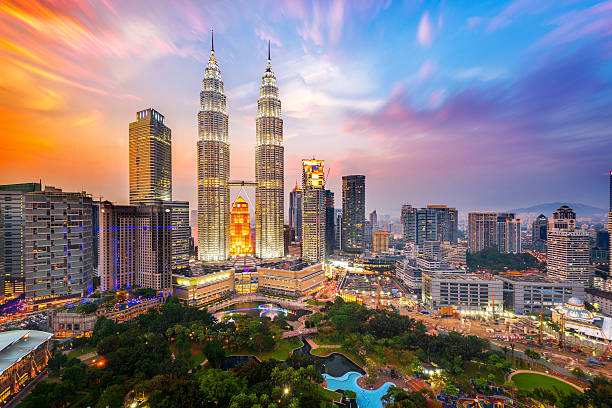
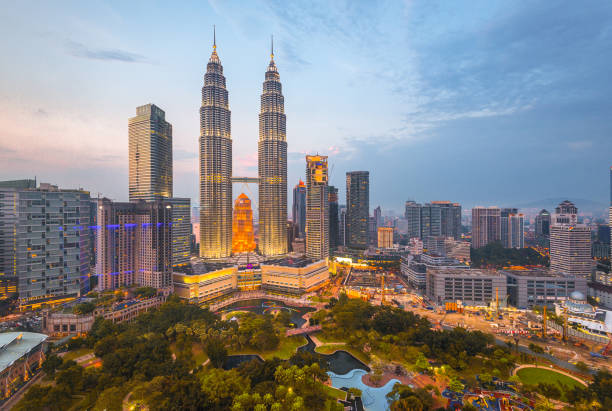
These towers are the natural place to start, not because they need to be ticked off a list, but because they feel right in the city’s ambition. One of those moments that doesn’t need a filter to look good is standing below them at night when the towers are lit and the fountains at KLCC are running.
The KL Tower
Standing at 1,381 feet, The Kuala Lumpur tower is where you go for the proper city view. The observation deck is fully enclosed and air-conditioned, with a glass-bottom section for those who want the full effect. On a clear day, the Petronas Towers are visible from here, and the sprawl of the city stretches in every direction.
Merdeka Square
Dataran Merdeka or Merdeka Square is the historic heart of the city.This is the place where Malaysia’s flag was hoisted for the first time on 31st August 1957, on independence. Overlooking the square is the Sultan Abdul Samad Building, whose Moorish architecture has been here since 1897. Spend some time here before you go.
The National Mosque of Malaysia
Masjid Negara is important because of its different architectural design from the standard mosque design. There is no big central dome. However, the roof is a daring 18-pointed star shape, representing the 13 states of Malaysia and the federal government. Visitors of any faith are welcome outside of prayer times on the grounds.
Brickfields and Petaling Street
Both places are two sides of KL’s multiculturalism. Brickfields, where the Indian community is concentrated, is home to some of the best Indian food in the city. Petaling Street is in the heart of Chinatown where shop houses have been converted into market stalls selling everything from souvenirs to street food. Nearby Jalan Alor is a food street worth an evening visit.
This is a place that’s on every chocoholic’s list. Beryl’s Chocolate Kingdom, close to KL, is an indulgent insight into the country’s homegrown chocolate brand.There are different types of chocolates to choose from and they also offer you a sample taste offer.
Batu Caves

Batu Caves is one of the favorite places in Malaysia. Located about 13 kilometers north of Kuala Lumpur. It is one of the most important sites of Hindus outside of India.The 140-foot gold-painted statue of Lord Murugan at the base is one of the tallest representations of a Hindu god anywhere in the world. The main Temple Cave is accessed via the 272 rainbow steps. The main temple is a natural cave of limestone, with the roof open to the sky.
During Thaipusam (usually January or February), over a million pilgrims descend here to make it one of the biggest Hindu pilgrimages in the world.
Travel Tip for Visiting Batu Caves One thing to remember when climbing the 272 steps. The long-tailed macaques are a fixture here. They’re fearless, fast, and not afraid of tourists at all. Don't feed them. Once you feed them they want more and if you don't give it to them their reaction can get aggressive fast. Zip all food items inside your bag and keep them out of sight long before you start the climb.
The Batu Caves is often bundled with a day trip to Genting Highlands as they are in roughly the same direction from KL. The Batu Caves is often bundled with a day trip to Genting Highlands as they are in roughly the same direction from KL.
Genting Highlands
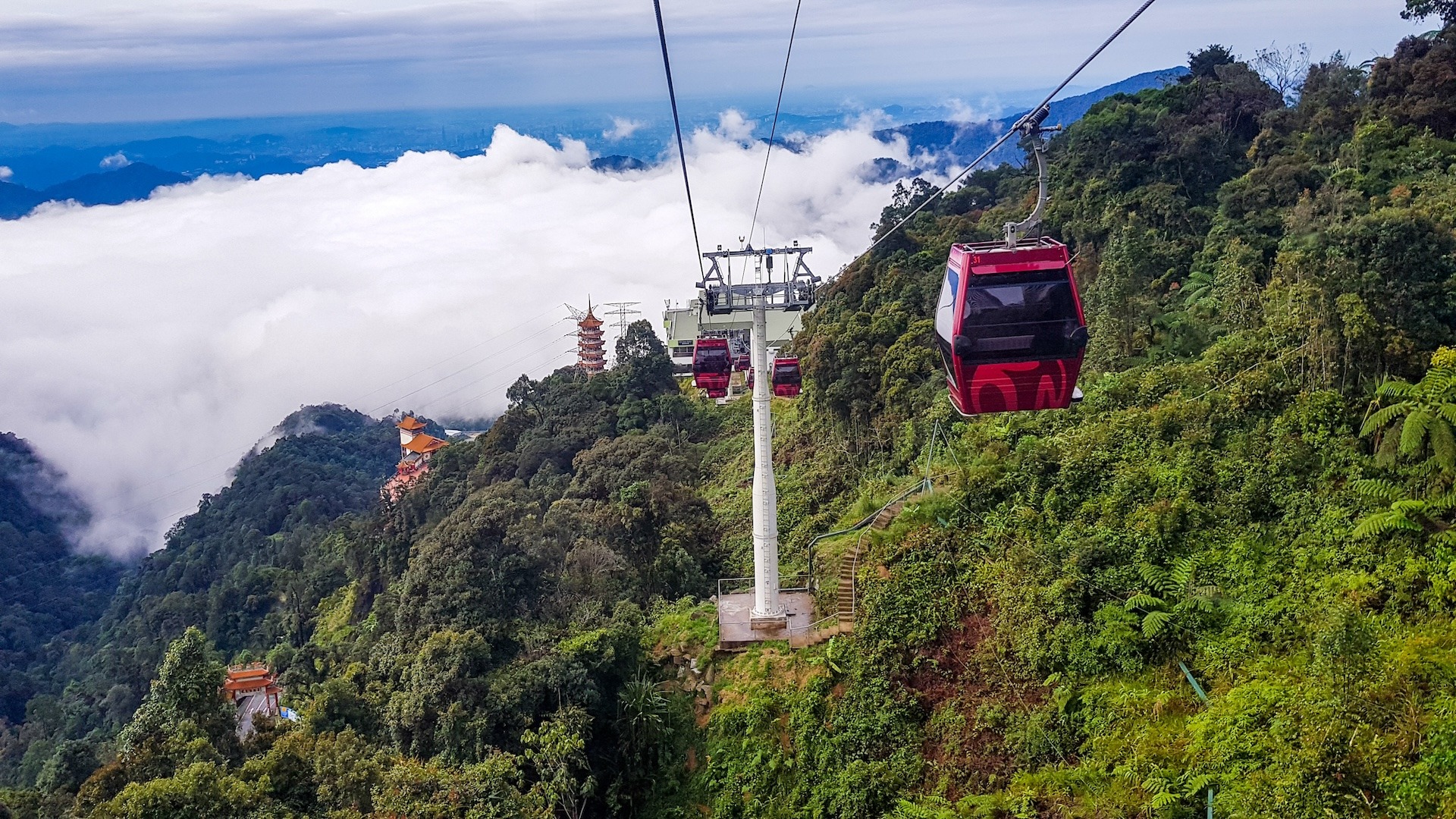
Genting Highlands is definitely a spot to include in your Malaysia itinerary to get a refreshing break from Malaysia’s tropical heat. Genting Highlands is situated at 5,900 feet above sea level. The drive up through the rainforest is a real change of scene. The temperature drops perceptibly, the fog comes in, and the city is gone altogether.
Genting is a full resort town with top theme parks, casinos, hotels and shopping. The Awana SkyWay cable car takes about 20 minutes to reach the summit from the base station, gliding over a dense tropical canopy. Genting SkyWorlds Theme Park is a 25-acre outdoor and indoor theme park featuring themed zones and rides. Skytropolis Indoor Theme Park is a good option for when the weather makes outdoor activity difficult.
The day trip to Genting Highlands is the highlight of the day for Indian families travelling with kids.
Langkawi
Langkawi Islands is one of the honeymoon destinations preferred most in Malaysia. commonly known as ‘The Jewel of Kedah’ . It is an archipelago of 104 islands off the northwest coast of Malaysia in the Andaman Sea.
Langkawi offers a change of pace. Kuala Lumpur is loud, full of electric vibes. And Langkawi is just the opposite. Pantai Cenang and Tanjung Rhu are quiet with wide sandy beaches. To experience this peace, here is the list of places to visit in Langkawi:
Eagle Square Eagle Square
Also known as the Dataran Lang, the island's most recognizable landmark is found in Kuah Town. It is a 12-meter sculpture of the island’s namesake eagle. It is on the waterfront and especially dramatic at sunset. Most of the pictures clicked in Langkawi will definitely have a picture of Eagle Square.
Undersea World
One of the larger marine and fresh water aquariums in South East Asia is the Underwater world in Langkawi, Pantai Cenang. The highlight is the 15-meter walk-through underwater tunnel but the variety of exhibits is a lot more than that. It is often mentioned as one of the better parts of a Langkawi visit by families with young children.
Atma Alam Batik Art Village
If you’re an art lover and also interested in batik, the Atma Alam Batik Art Village in Padang Matsirat offers an authentic view of the traditional dyeing and printing process. It is more a workshop than a tourist attraction and that is what is interesting about it.
Tip: Try to take a souvenir from Batik Art Village.
Another interesting thing about Langkawi is that it is duty free. There is a wide range of goods including alcohol, chocolates, perfumes etc at prices well below those on the Malaysian mainland. There are two main shopping areas, Kuah Town and the airport. Prices are surprising to travelers accustomed to high import duties on some merchandise.
Penang

George Town on the north-west coast of Peninsular Malaysia is one of the best-preserved examples of colonial-era urban architecture in South-East Asia. George Town is a UNESCO World Heritage Site and what makes it worth the visit is the layers of culture compressed within its streets. British colonial buildings sit next to Chinese shophouses next to Indian temples next to Malay mosques within walking distance of each other.
Penang's food is well known all over the world. Char Kway Teow, a wok-fried rice noodle dish with prawns, egg and bean sprouts, is one of the best versions of the dish you will find anywhere. Another Penang specialty is Assam Laksa - a sour fish-based noodle soup. Indian visitors will find much that is familiar at the Penang Mamak stalls (Indian Muslim eateries that stay open late into the night) serving roti canai, teh tarik and curries.
The street art in George Town is also worth looking for. The iron rod sculptures and painted murals that pepper the old town have become internationally renowned and add an element of discovery to walking the lanes.
Borneo (Sabah and Sarawak)

Borneo is the most famous hotspot in Malaysia. This is where the country’s natural world reach its most prettiest and awe inspiring form.
Mount Kinabalu, the highest peak in Malaysia, is in Sabah in the northeast of Borneo. Kinabalu Park is a UNESCO World Heritage Site and one of the richest areas of biodiversity in the world.
Sabah’s Kinabatangan River is one of the few places in the world where pygmy elephants, proboscis monkeys, orangutans and saltwater crocodiles can all be spotted in their natural habitat on a brief river cruise. River lodges along the Kinabatangan offer overnight stays, with guided morning and evening wildlife excursions.
On the west side of Borneo, in Sarawak, some of the oldest rainforest on earth. Another UNESCO site, Mulu National Park, boasts the world's largest cave chamber, the Sarawak Chamber, and the Deer Cave, from which millions of wrinkle-lipped free-tailed bats emerge in a column that takes up to 20 minutes to pass each evening.
If you are a traveler who is interested in wildlife and ecology, Borneo has something that is hard to find elsewhere at the same concentration.
What to Eat in Malaysia
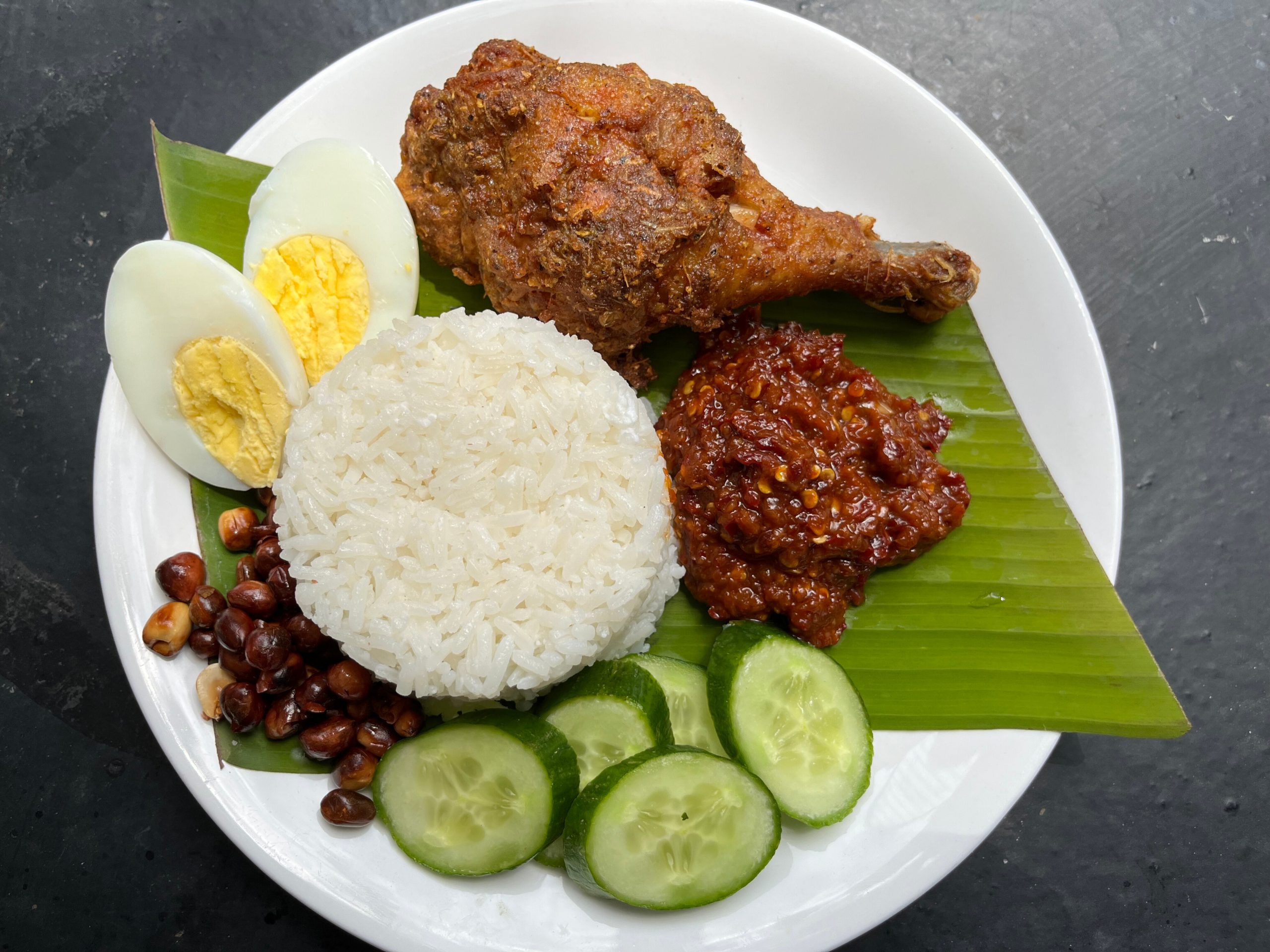
If you’re travelling through Malaysia and still opt for your usual dishes, then you’re missing the chance to experience the most diverse and delicious Malaysian food. Malaysian food is one of the most under-rated cuisines in the world. It is a layered food culture, drawing on Malay, Chinese, Indian and indigenous Orang Asli traditions.
Lemak Nasi
It’s Malaysia’s national dish and it should be the first thing you eat when you land. Fluffy rice cooked with coconut milk and the scent of sambal (chili paste) served with crispy anchovies, roasted peanuts, cucumber slices and a hard-boiled egg. They range from a small packet wrapped in a banana leaf and eaten as a quick breakfast to full restaurant plates with added sides of fried chicken or rendang.
Char Kuey Teow
AWok-fried flat rice noodle dish, cooked with prawns, egg, bean sprouts and Chinese sausage over high heat. A good wok is better than an average one because of the smoky flavor.
Roti Canai (Roti Prata)
This dish is a clear example of the Indian overlap. This flaky, layered flatbread is served with dhal curry or a thin fish curry and is eaten at any time of the day. It’s clearly rooted in the paratha tradition but has developed into its own thing in the Malaysian Mamak culture.
Saté
Grilled meat skewers with peanut sauce, compressed rice cubes, raw onion and cucumber The peanut sauce in Malaysia is richer and more complex than most other places. This dish is a localite favorite.
Laksa
There are many regional variations of laksa in Malaysia. Penang Assam Laksa is very different to the coconut milk Curry Laksa of Kuala Lumpur, using a sour fish broth based on tamarind. But both are worth a shot.
Teh Tarik
Also called pulled tea, it is the standard drink at any Mamak stall. Sweetened hot milk tea, poured back and forth between two containers to form a froth. If you are hanging out on roadside food stalls, this will soon become a daily habit.
Malaysia gets a little tricky for Indian Vegetarians but is way more manageable than most SE Asian destinations. You can find a full selection of vegetarian food, including dosai, idli and other dishes in little India in KL, the Indian parts of Penang and any South Indian restaurant.
How to Get Around Malaysia
Within cities: Kuala Lumpur has a good rail network with the LRT, MRT, KTM Komuter and the Monorail. The KLIA Ekspres links the airport with the city centre in 28 minutes. For travel between points not served by rail, Grab (Southeast Asia’s version of Ola or Uber) is reliable and preferred over metered taxis.
Between cities: Long-distance buses link up most major cities and are comfortable, punctual and cheap. There is a good bus network between Kuala Lumpur, Penang, Ipoh and Cameron Highlands. Malaysia Airlines, AirAsia and Firefly all fly domestic routes for longer distances. Inter-city flying (especially AirAsia) is very cheap if booked in advance.
To Langkawi: The most convenient option from Kuala Lumpur is a direct flight to Langkawi International Airport that takes about an hour.
To Borneo: Direct flights from Kuala Lumpur to Sabah ( Kota Kinabalu ) and Sarawak ( Kuching ). Malaysia Airlines and AirAsia have several flights a day.
Visa and Entry for Indian Travelers

As of 2026, Malaysia's visa-free entry policy allows Indian passport holders to enter the country for up to 30 days as tourists. For Indian nationals, this is one of the most accommodating policies in the area.
Visa regulations, however, are subject to modification. Before making a reservation, check the status via the official Malaysian Immigration Department website or your travel agency. A return ticket, proof of lodging, and enough money for the duration of the stay may be prerequisites for entry.
The passport must remain valid for a minimum of six months after the planned entry date.
Practical Tips
Currency: Malaysia uses the Malaysian Ringgit (MYR) as its currency. In the past, Indian travelers have been fortunate to have good exchange rates. Carry some local currency to use for street food, tipping and small purchases. Yes, there are lots of ATMs in towns and airports.
The official language is Bahasa Malaysia but English is widely spoken and understood, especially in Kuala Lumpur, Penang and tourist areas. Signs in the cities are bi-lingual.
Dress code: Malaysia is predominantly Muslim. When visiting mosques and religious sites dress modestly. Most of the major mosques have scarves and robes for visitors who need them at their entrance. For other parts of the city and beach destinations like Langkawi, normal tourist wear is perfectly acceptable.
Electricity – Malaysia uses the same Type G socket as the UK and India so you won’t need an Indian plug adaptor.
Vegetarian food: Try South Indian restaurants in the Little India areas, banana leaf restaurants and vegetarian-friendly Mamak stalls. Vegetarian options can also be found in major malls in KL. There is a large Indian community here so vegetarian food is easier to find than in most other Southeast Asian countries.
Mobile connectivity: Malaysian SIM cards from Maxis, Digi and Celcom can be bought when you arrive at the airport. A tourist SIM with data will usually cost MYR 30 to 50 and give you enough data for maps, Grab and general browsing for the duration of your trip.
Genting Highlands weather: Wear a light jacket or sweater for the Genting Highlands day. At the top, the temperature can drop to between 15 and 20 degrees Celsius, a big change from the 30+ degrees Celsius in Kuala Lumpur.
Planning a Malaysia trip from scratch takes a lot of time: flights, hotels, transfers, entry tickets, local transport and the co-ordination between them. A packaged tour handles all of this so you can concentrate on the trip instead of the logistics.
That’s why Travelvichar provides customized Malaysia Tour packages so you tell us your preferences and we make an itinerary as per your requirements. So, time to feel the real Asia vibes of Malaysia!
FAQ’s
What is the best time for me to visit Malaysia?
The best time to visit Malaysia is between November and March, particularly for travelers heading to Kuala Lumpur and Langkawi, as this period falls in the dry season with clearer skies and minimal rainfall disruption.
Do I need a visa to travel to Malaysia from India?
Indian passport holders do not require a visa to enter Malaysia for tourist stays of up to 30 days, making it one of the most hassle-free international destinations for Indian travelers.
How many days are enough for my Malaysia trip?
A minimum of 5 to 7 days is recommended for a Malaysia trip, allowing travelers to cover Kuala Lumpur’s key attractions along with a short Langkawi or Penang extension comfortably.
Is Malaysia a budget-friendly destination for me as an Indian traveler?
Malaysia is considered one of the more affordable international destinations for Indians, with the Malaysian Ringgit offering favorable exchange rates and a wide range of accommodation and dining options across budgets.
<span style="color: #29294b;
