Vietnam Visa Cost for Indians
The cost of a Vietnam visa for Indian citizens depends on the type of visa selected during the application process. For eVisas, the Vietnamese government charges a fixed processing fee, which must be paid online using an international debit or credit card at the time of submission.
Below are the official government charges for a Vietnam tourist eVisa for Indians:
Vietnam eVisa Fees for Indians
Visa Type | Government Fee
Single-Entry Vietnam eVisa | $25 USD (approx ₹2,100)
Multiple-Entry Vietnam eVisa | $50 USD (approx ₹4,200)
These fees are paid directly on the official Vietnam eVisa portal while submitting the application. It is important to remember that the visa fee is non-refundable, even if the application is rejected or incorrect details are submitted.
Vietnam Visa on Arrival Cost (For Indians)
For travellers who choose the Visa on Arrival (VOA) option, the pricing structure is slightly different and includes multiple components.
Fee Type | Approx Cost
Visa Approval Letter | $10–$25 (₹850–₹2,100), depending on the agency
Airport Stamping Fee | $25 (single entry) / $50 (multiple entry)
Since this option involves additional paperwork and waiting time at the airport, most travellers today prefer the Vietnam eVisa, which is simpler and more convenient.
Vietnam Visa Processing Time for Indians
The processing time for a Vietnam eVisa is typically 3 to 5 working days after the application is submitted and the payment is completed. In most cases, travellers receive their approved visa within this period through the official portal.
However, processing may take slightly longer due to factors such as public holidays, a high number of applications, or errors in the submitted details. Because of this, it is always recommended to apply at least 7 to 10 days before your travel date.
Once the visa is approved, travellers can download and print the eVisa from the official website and present it to immigration authorities upon arrival in Vietnam.
Factors That Can Affect Vietnam Visa Processing Time
Several factors can impact how quickly your visa is processed:
- Incorrect passport information in the application
- Poor-quality passport scan or photograph
- Vietnamese national holidays
- High application volume during peak travel season
To avoid delays, always double-check your passport details, entry port, and travel dates before submitting your application.
NOTE:
Apart from visa charges, travellers should also plan their overall trip expenses, including flights, accommodation, and activities. You can explore a detailed guide on the Vietnam trip cost from India to better understand the overall budget required.
How to Apply for Vietnam eVisa from India (Step-by-Step)
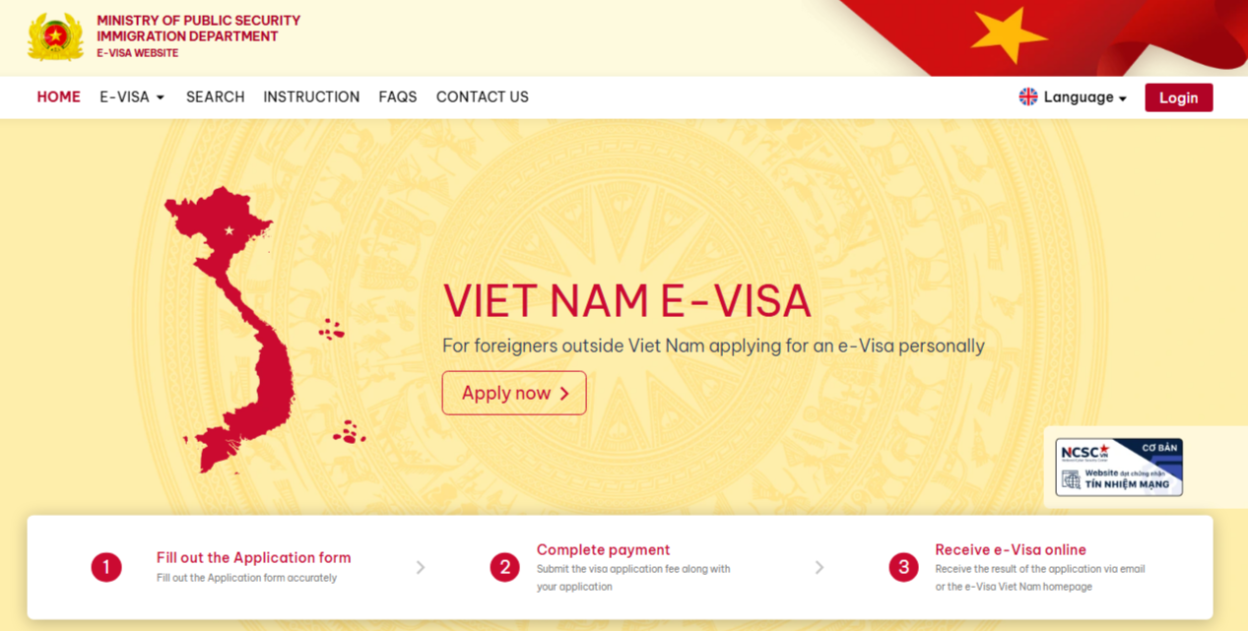
Applying for a Vietnam eVisa from India is a simple online process that can be completed within a few minutes. Indian travellers can apply directly through the official government website without visiting the embassy.
Follow these steps to apply for a Vietnam visa online:
STEP 1: Fill Out the Vietnam eVisa Application Form
Visit the official Vietnam eVisa website (evisa.gov.vn) and begin your application.
Before starting, make sure you have:
- A clear scanned copy of your passport bio page
- A recent passport-size photograph with a white background
- Your travel details, including entry date and entry port
Enter your personal information exactly as it appears on your passport, including your name, passport number, and date of birth.
After submitting the form, you will receive a registration code. Make sure to save this code, as it will be required to check your visa status later.
STEP 2: Review Your Details Carefully
Before proceeding to payment, carefully review all the information you have entered.
Check the following details:
- Passport number and expiry date
- Date of birth and personal information
- Selected entry and exit ports
Your Vietnam eVisa is valid only for the selected entry port, so ensure your travel plans match your application.
Even small mistakes can lead to delays or rejection, so verifying all details is crucial.
STEP 3: Pay the Vietnam eVisa Fee
Once you confirm your details, proceed to make the payment.
The visa fee must be paid using an international debit or credit card. Accepted payment methods usually include:
- Visa
- Mastercard
- JCB
- American Express
After successful payment, your application will be processed by Vietnamese immigration authorities.
You can track your visa status using your registration code, email address, and date of birth on the official website.
STEP 4: Download and Print Your Vietnam eVisa
Once your application is approved, you can download your eVisa from the official portal.
Travellers must carry a printed copy of the eVisa when travelling, as immigration officers will verify this document at the time of entry and exit.
Vietnam eVisa Entry Ports for Indian Travellers
While applying for a Vietnam eVisa for Indians, travellers must select their entry point during the application process. The approved visa will only be valid for the chosen airport, land border, or seaport.
Most Indian travellers typically enter Vietnam through Hanoi, Ho Chi Minh City, or Da Nang international airports.
Vietnam allows eVisa holders to enter through multiple designated entry points, so it is important to choose the correct one based on your travel plans.
Airports Accepting Vietnam eVisa
Most international travellers from India arrive through the following airports:
- Noi Bai International Airport (Hanoi)
- Tan Son Nhat International Airport (Ho Chi Minh City)
- Da Nang International Airport
- Cam Ranh International Airport (Nha Trang)
- Phu Quoc International Airport
- Cat Bi International Airport (Hai Phong)
These airports handle the majority of international tourist arrivals in Vietnam.
Land Border Crossings Accepting Vietnam eVisa
Travellers entering Vietnam from neighbouring countries such as Cambodia, Laos, or China can use the following land borders:
- Moc Bai Border (Cambodia – Vietnam)
- Lao Bao Border (Laos – Vietnam)
- Huu Nghi Border (China – Vietnam)
These are commonly used by travellers exploring multiple Southeast Asian destinations in one trip.
Seaports Accepting Vietnam eVisa
Cruise travellers can enter Vietnam through selected seaports, including:
- Hon Gai Seaport (Ha Long)
- Da Nang Seaport
- Nha Trang Seaport
- Ho Chi Minh City Seaport
Important NOTE:
If your travel plans change and you need to enter Vietnam through a different port than the one mentioned in your eVisa, you may need to apply for a new visa.
Vietnam Visa FAQs
Do Indians Need a Visa for Vietnam?
Yes, Indian citizens must obtain a visa before travelling to Vietnam for tourism, business, or any other purpose. Vietnam does not currently provide visa-free entry for Indian passport holders. However, travellers can easily apply for a Vietnam eVisa online, which is the most convenient option for short-term visits.
How to Apply for Vietnam Visa Online from India?
Indian travellers can apply for a Vietnam eVisa through the official government website. The process includes filling out an online application form, uploading a passport scan and photograph, paying the visa fee, and downloading the approved eVisa once it is issued.
What Is the Vietnam Visa Cost for Indians?
The cost of a Vietnam visa depends on the type of eVisa selected:
• Single-Entry eVisa: $25 USD (approx ₹2,100)
• Multiple-Entry eVisa: $50 USD (approx ₹4,200)
These charges must be paid online during the application process and are non-refundable, even in case of rejection.
How Long Does Vietnam eVisa Processing Take?
The processing time for a Vietnam eVisa for Indians is usually 3 to 5 working days after submitting the application. To avoid last-minute issues, it is advisable to apply at least 7–10 days before your planned departure.
What Documents Are Required for Vietnam eVisa?
Indian applicants need to provide the following documents while applying for a Vietnam tourist eVisa:
• Passport valid for at least 6 months from the date of arrival
• Clear scanned copy of the passport bio page
• Recent passport-size photograph with a white background
• Active email address to receive the eVisa
• International debit or credit card for fee payment
How Long Can Indians Stay in Vietnam with an eVisa?
The Vietnam tourist eVisa allows Indian travellers to stay in the country for up to 90 days. Travellers can choose between a single-entry or multiple-entry visa, depending on their itinerary.
Can Indians Get Vietnam Visa on Arrival?
Yes, Indian travellers can opt for a Visa on Arrival (VOA). However, they must first obtain an approval letter from a visa agency before travelling. Upon arrival in Vietnam, travellers need to present the approval letter, passport, photographs, and pay a stamping fee at the airport.
That said, most travellers now prefer the Vietnam eVisa, as it is faster, more straightforward, and eliminates the need for additional steps at the airport.
Plan Your Perfect Vietnam Trip
Once your Vietnam visa for Indians is approved, it’s time to plan your journey. Vietnam is one of Southeast Asia’s most diverse destinations, offering a mix of scenic landscapes, rich culture, vibrant cities, and incredible food.
Travellers can cruise through the limestone formations of Ha Long Bay, explore the bustling streets of Hanoi’s Old Quarter, or enjoy the charm of Hoi An Ancient Town. From mountains in the north to beaches in the south, Vietnam offers experiences for every type of traveller.
If you prefer a hassle-free experience, choosing a well-designed itinerary can make your trip smoother. With TravelVichar Vietnam tour packages, you can enjoy a complete travel experience including accommodation, transportation, sightseeing, and expert planning.
This allows you to focus on exploring Vietnam while all the logistics are taken care of.
With an easy visa process and the right travel plan, exploring Vietnam becomes simple and convenient for Indian travellers.